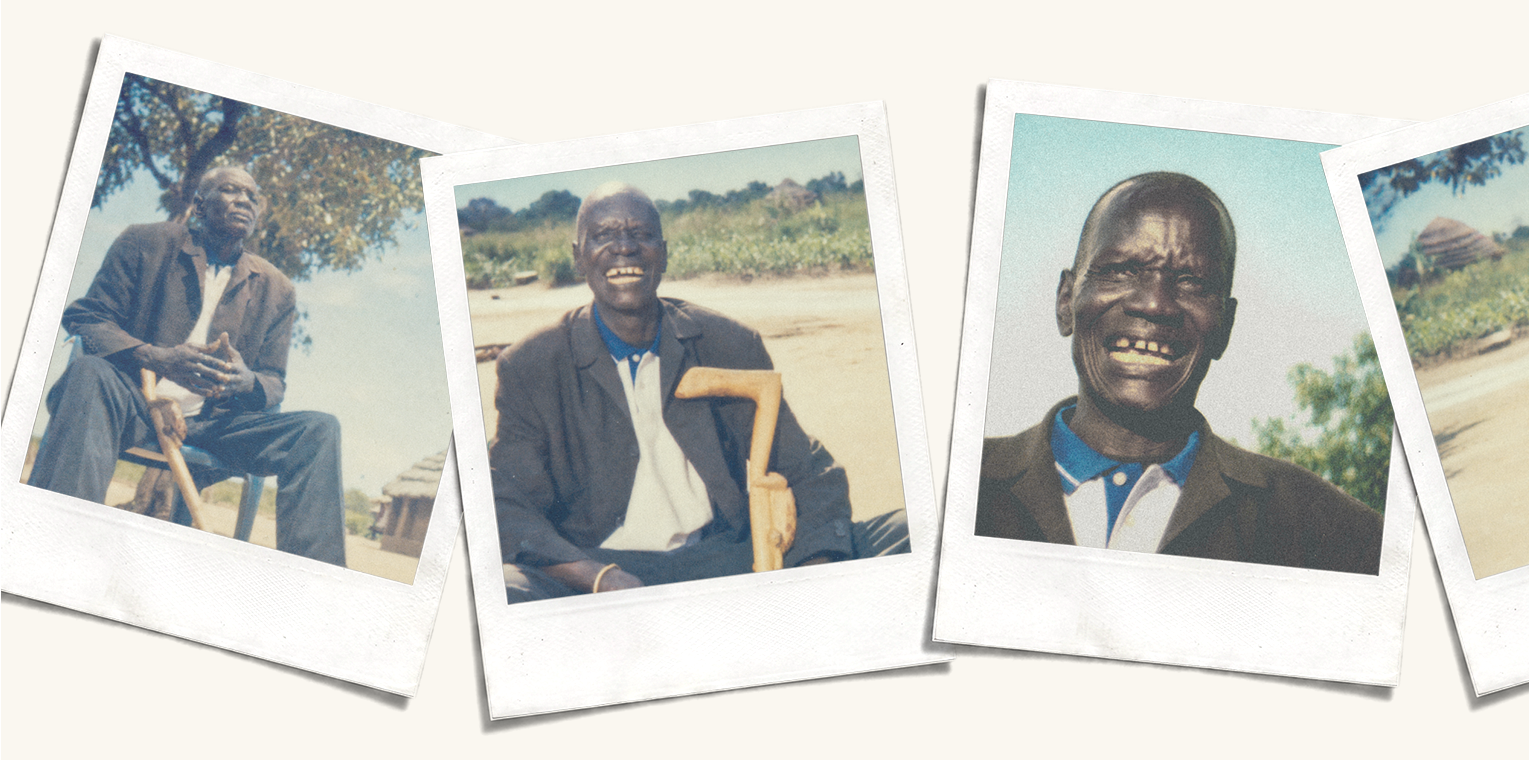
Growing up in Laita, in northern Uganda, water meant distance.
Mzee Bodo would walk to one water source, and when it was too crowded, to the next, and the next: however far that took him. Whatever he carried home had to last: one vessel of water, split across an entire family, reused until it was too dirty to use again.
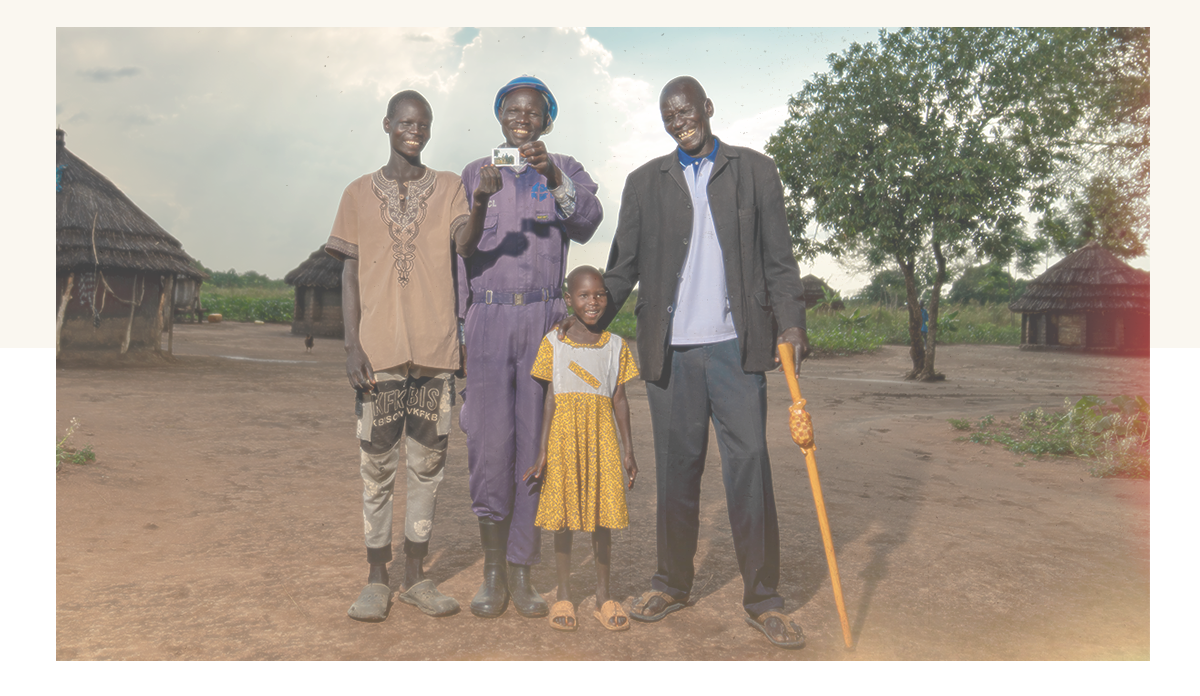
In 2009, a survey found water beneath his own garden, the same land he'd known his whole life. When they asked to build a well there, he said no, at first. But he thought of the years his whole community had spent chasing water from one failing source to the next, and he gave the land away for free, so his community could finally stop the search that had shaped all their lives.
Picture the day clean water came: his daughter, Jenifer, raced inside for a jerry can the moment she saw it, filled it herself, and carried clean water into the house for the first time in her life. "When I saw clean water for the first time, I rushed home to get a jerry can... Wow, wow, wow!" she says. Around her, other women who'd spent hours walking for water stood just steps from home instead. For the first time, water was close.